
The Story of Sri Lankan Sapphires: Treasures from the Island of Gems

Sri Lanka is one of the world’s oldest and most respected gemstone sources. For centuries, traders, kings, explorers, and collectors have travelled to this tropical island in search of natural treasures. Among all the stones found here, none is more admired than the Sri Lankan Sapphire.
Known globally as Ceylon Sapphire, these gems are valued for their brilliance, colour, clarity, and timeless beauty. From royal jewellery collections to modern luxury rings, Sri Lankan sapphires continue to shine across generations.
A History Over 2,000 Years Old
Sri Lanka’s gem trade dates back more than two millennia. Ancient merchants from Arabia, India, China, and Europe visited the island to purchase gemstones that could not be found elsewhere.
Historical records describe Sri Lanka as a land rich in jewels, where rivers carried precious stones, and the earth hid rare minerals beneath fertile soil. These gems were exported along ancient trade routes to powerful kingdoms around the world.
The city of Ratnapura, still famous today, means City of Gems. It remains the heart of Sri Lanka’s gemstone industry.
How Sri Lankan Sapphires Are Formed
Sapphires are created deep within the earth over millions of years under intense heat and pressure. They are made from the mineral corundum, one of the hardest natural substances on earth.
Over time, geological changes moved these crystals closer to the surface. Rain, rivers, and natural erosion carried them into gem-bearing lands and riverbeds, where miners discover them today.
Each sapphire crystal is a natural work of art shaped by time and nature.
Why Sri Lankan Sapphires Are World Famous
1. Exceptional Colour
The most famous variety is the Ceylon Blue Sapphire, known for its bright, lively blue tone.
2. High Clarity
Many Sri Lankan sapphires are naturally cleaner and more transparent than stones from other origins.
3. Excellent Cutting Potential
Because of their crystal quality, they can be cut into beautiful shapes that maximise sparkle.
4. Wide Colour Range
- Blue
- Pink
- Yellow
- White
- Green
- Purple
- Colour-change sapphires
- Rare Padparadscha Sapphire
The Mining Tradition
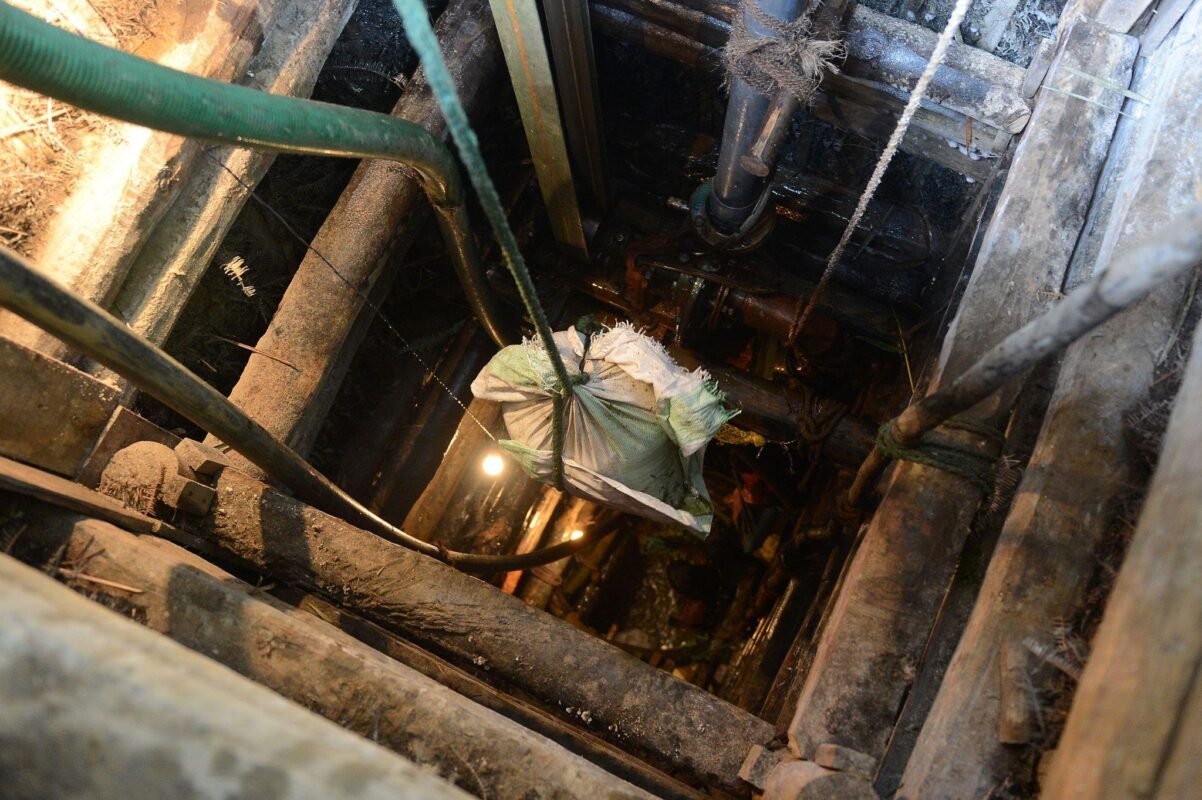
Gem mining in Sri Lanka often follows traditional methods that respect nature and local communities. Many miners use hand tools and careful excavation techniques rather than heavy industrial machinery.
Mining is more than work—it is a tradition passed from father to son, generation after generation.
From Rough Stone to Polished Beauty
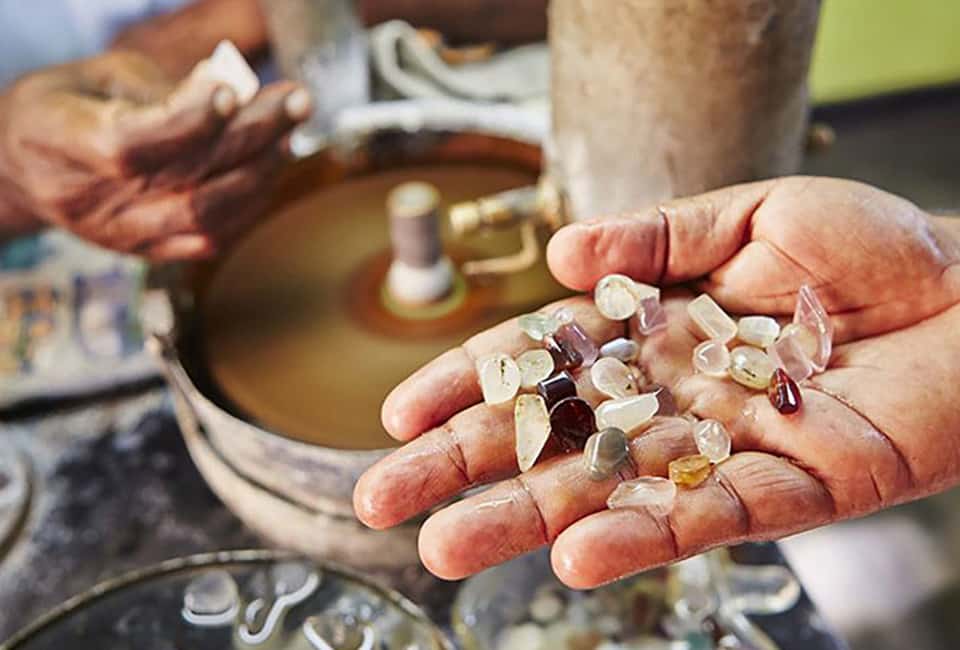
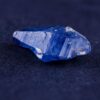
A sapphire begins as a rough crystal, sometimes appearing ordinary to an untrained eye. But experienced gem experts can see the hidden beauty inside.
- Selecting the rough stone
- Studying color zones and crystal shape
- Cutting for maximum brilliance
- Polishing to reveal shine
- Certification and grading
A master cutter can transform a rough stone into a gemstone of extraordinary value.
Royal Connections
Sri Lankan sapphires are trusted by royalty and luxury jewellery houses around the world. Some of the most famous engagement rings and crown jewels feature sapphires from Sri Lanka.

Investment and Value
Natural sapphires from trusted origins can hold strong long-term value, especially stones with:
- Rich color
- Good clarity
- Untreated condition
- Large size
- Certified origin
How to Choose a Good Sapphire
- Color quality
- Brightness
- Transparency
- Cut proportions
- Carat weight
- Natural or treated status
- Laboratory certification
More Than a Gemstone
A Sri Lankan sapphire is more than jewellery. It is a symbol of history, craftsmanship, earth’s natural power, and timeless elegance.
Every stone carries a story—from deep within the earth, through the hands of miners and artisans, into the hands of someone who will treasure it forever.
Final Thought
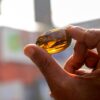
When you hold a Sri Lankan sapphire, you are not just holding a gem. You are holding millions of years of nature, centuries of tradition, and one of the world’s most beautiful treasures.